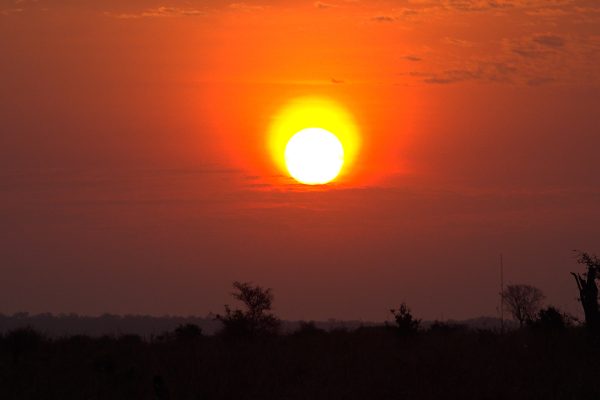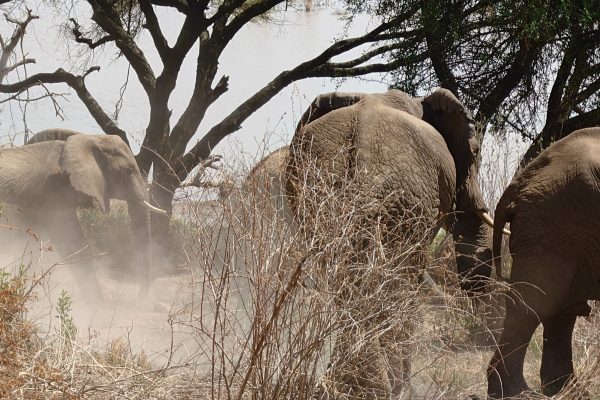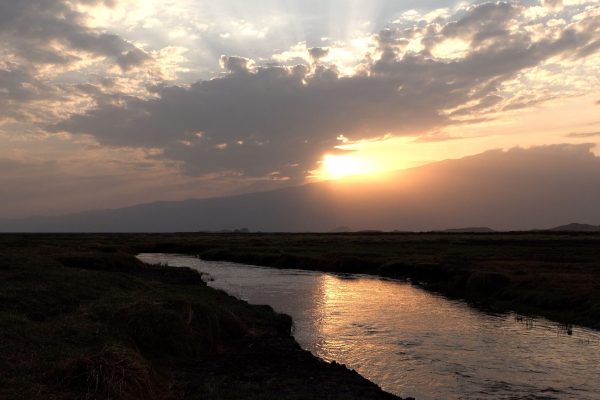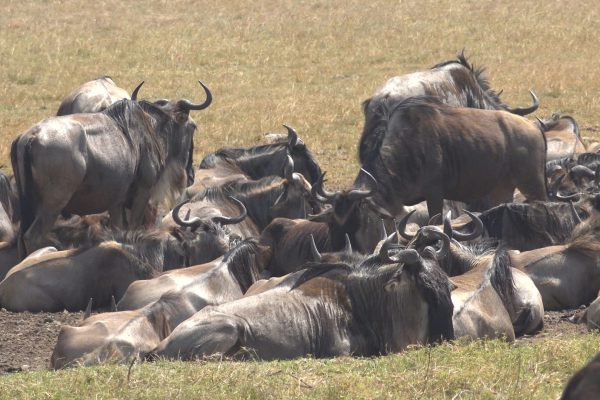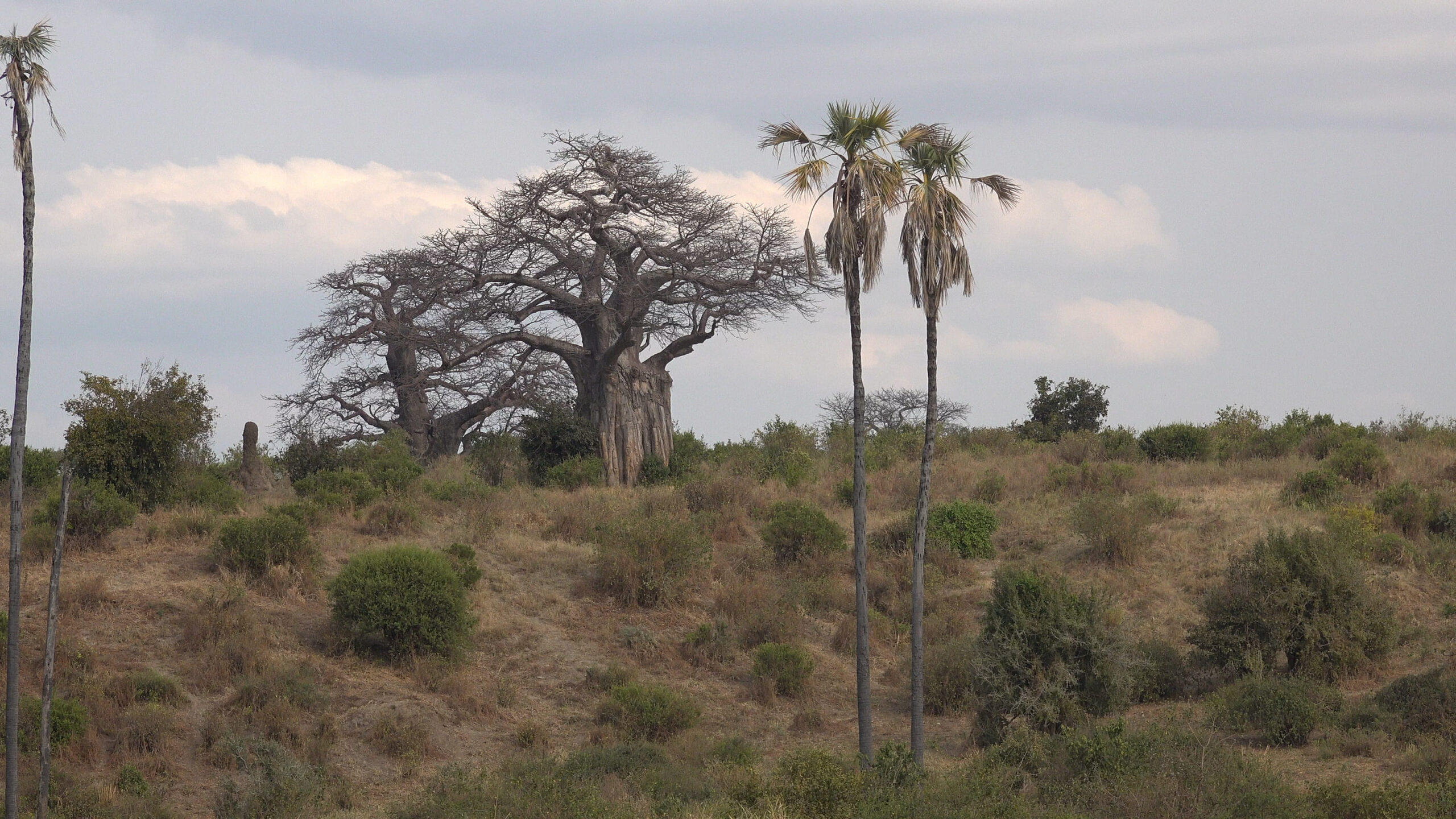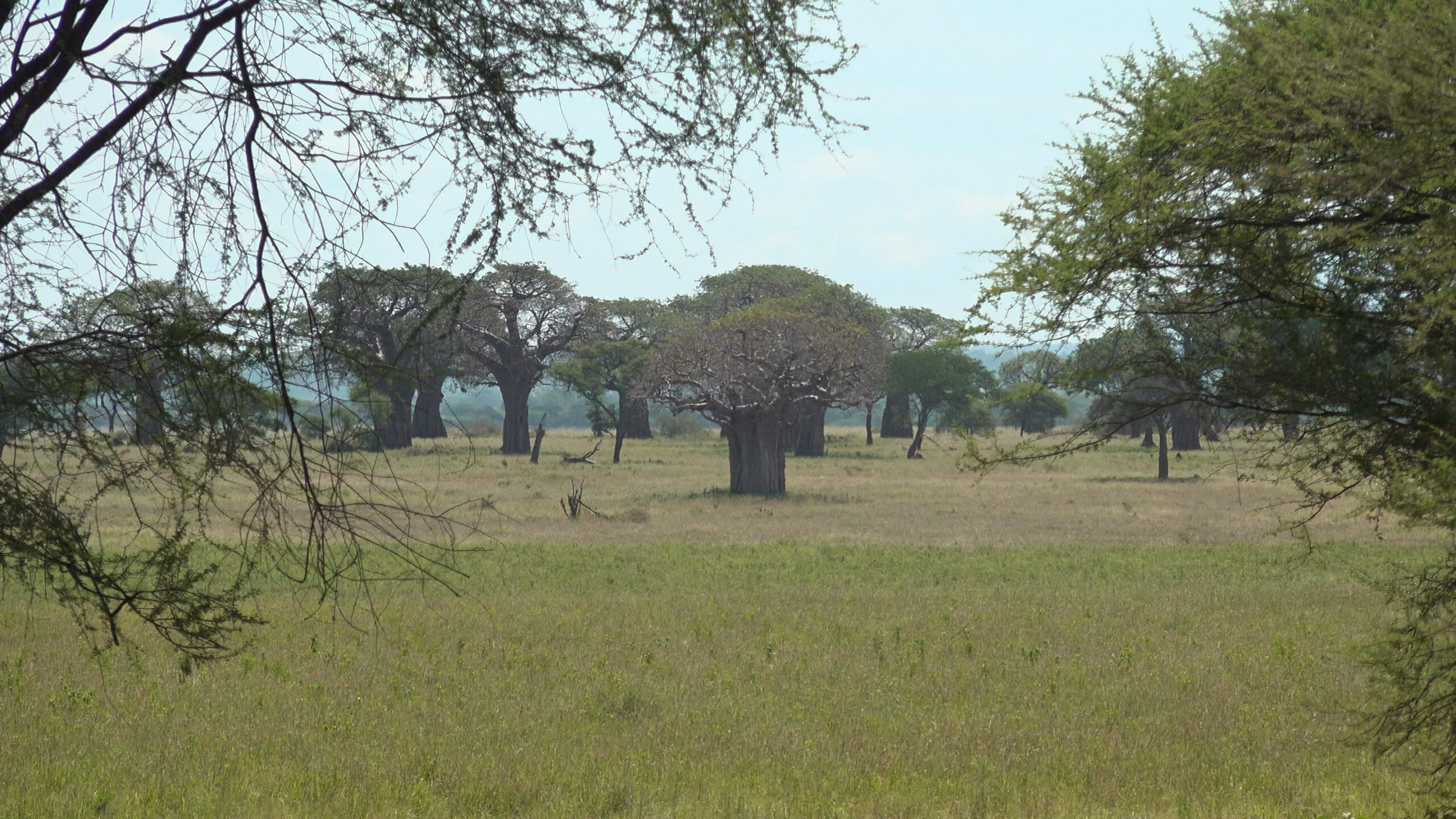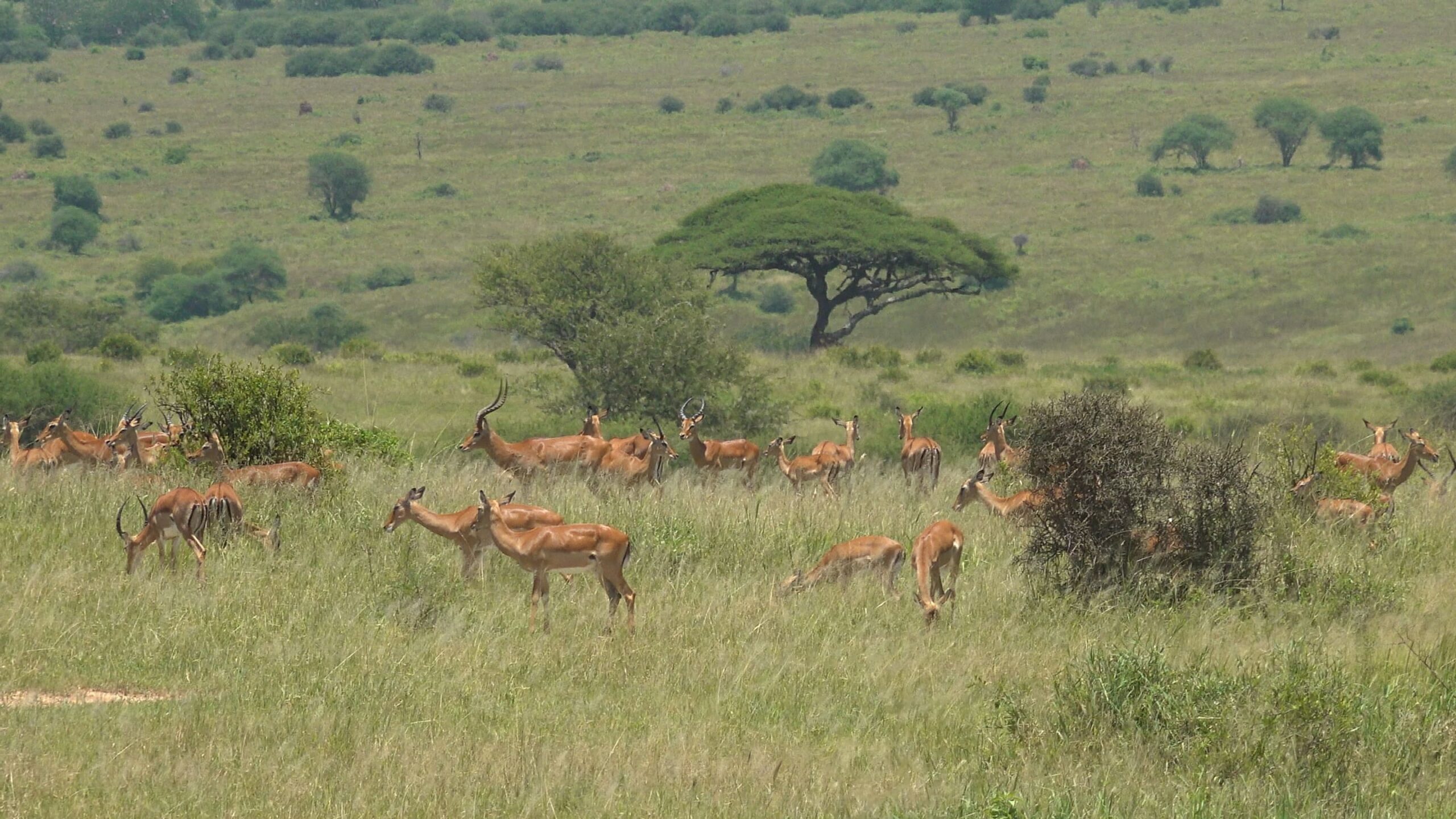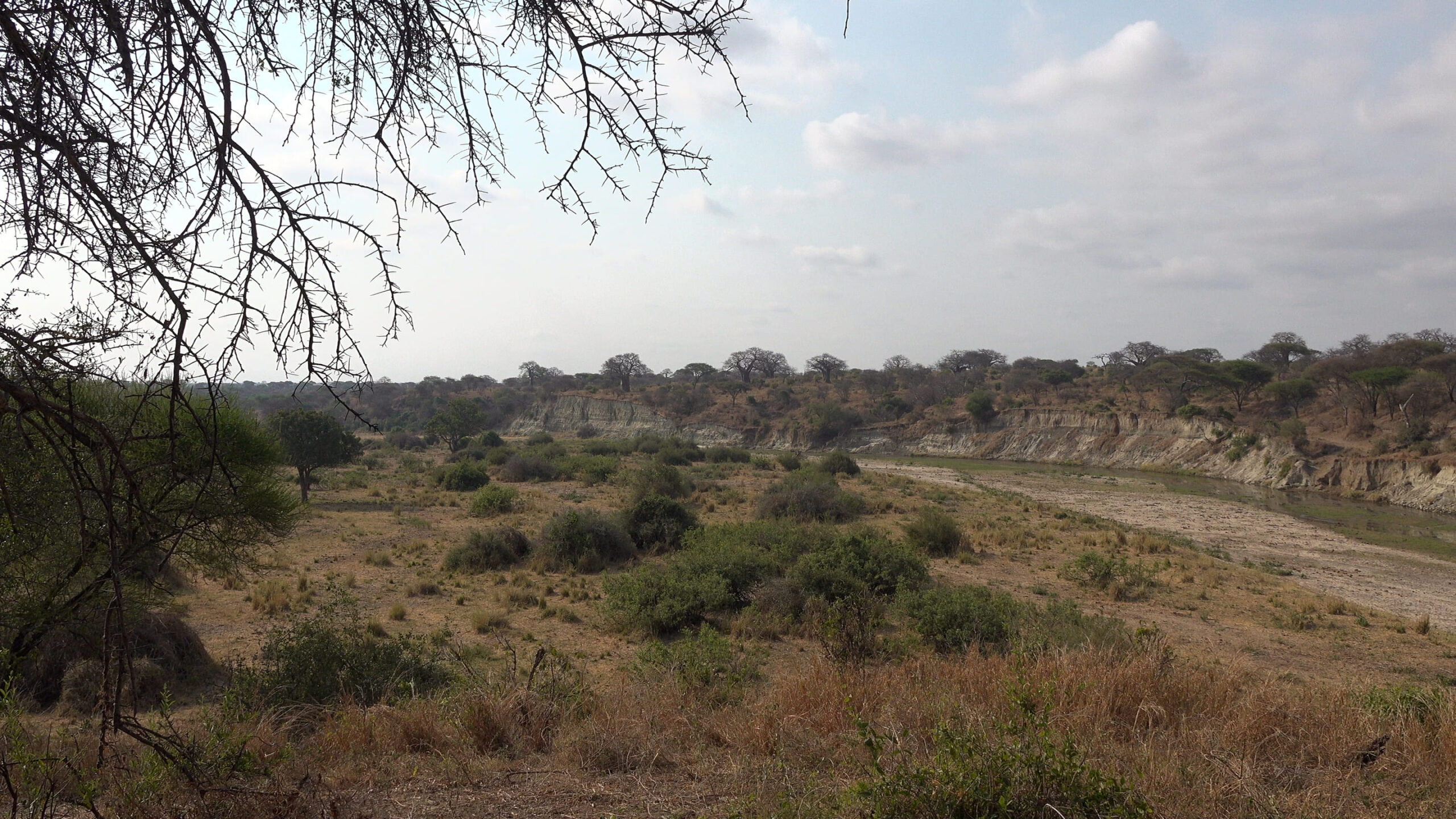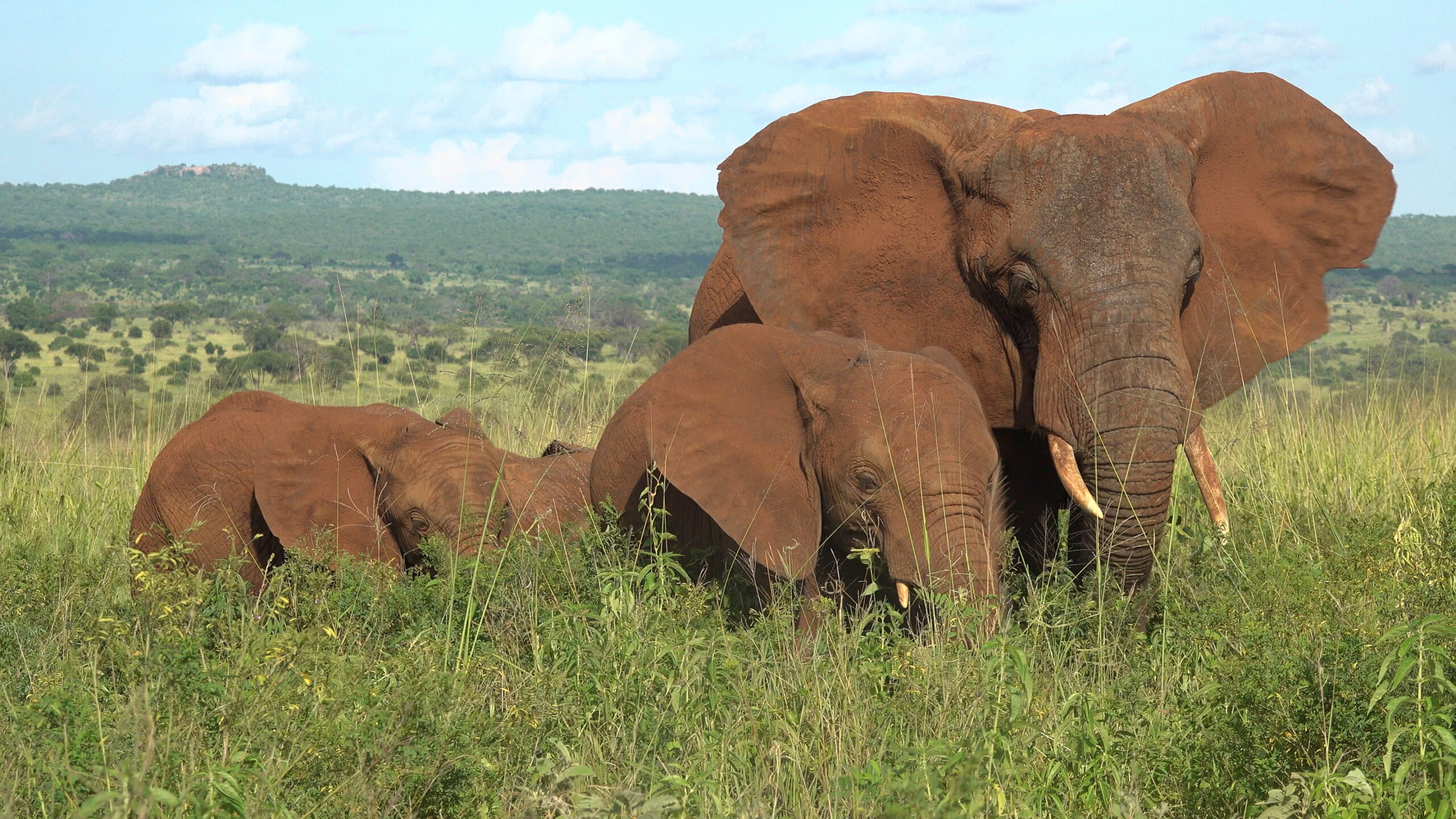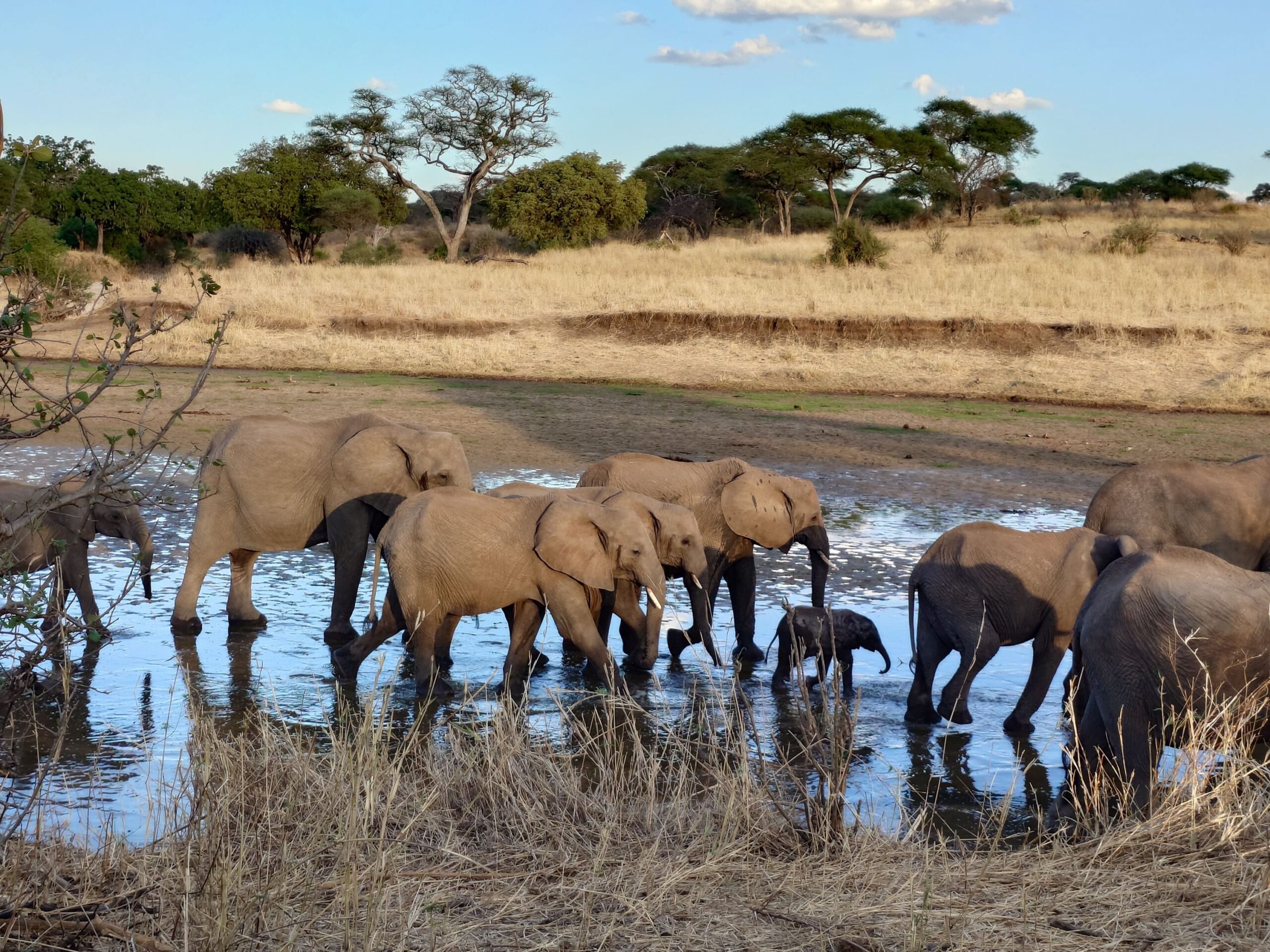
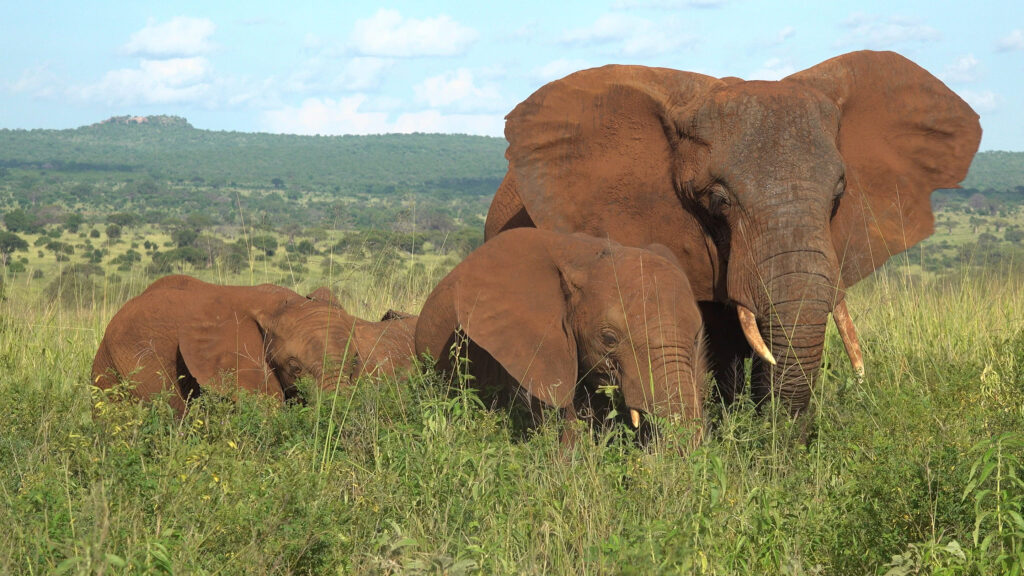
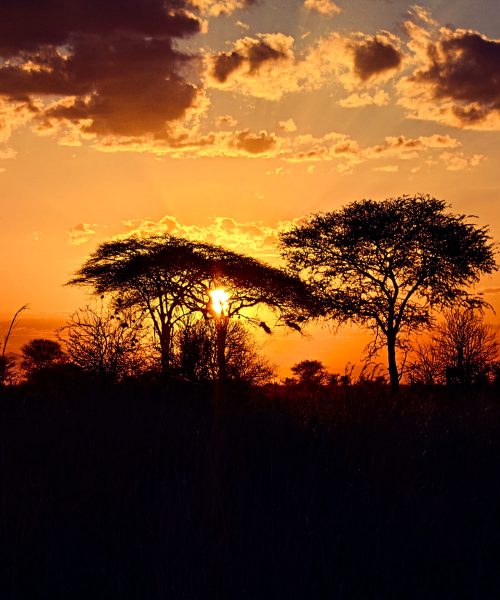
The land of ancient baobab trees. A national park named after the river that flows through the beautiful African savannah. The masters of Tarangire Park are definitely elephants, those gentle giants of the savannah, which you will encounter throughout your journey, in smaller or larger herds. Or those large solitary males who carefully protect their territory. It is not uncommon to see elephant calves less than a year old. Tarangire is also home to a large number of giraffes, various species of gazelles, impalas, lions, leopards, cheetahs, and many other creatures that are no less important to the circle of life. However, apart from the thousand-year-old baobab trees, the real gem of Tarangire Park is its birds. The park is home to an exceptional number of resident and migratory birds. You can spot a different species on every tree. The kings of the birds are, of course, the ostriches, which strut proudly across the vast landscape. With a bit of luck, you may also spot an African rock python basking in the sun on a decaying tree trunk by the river, soaking up the heat of the hot savannah days. Tarangire is an exceptionally large park, so you can find your own secluded corners and surrender to the rhythm of nature.
Sleeping in the national park.
We will sleep in a beautiful "glamping lodge" in the northern part of the park. By sleeping within the boundaries of the national park, we give ourselves the exceptional opportunity to go on early morning walks when you won't encounter other guests and safari cars. Yes, these areas are most beautiful in the morning and evening, with endless birdsong, when there are fewer visitors to the park and some animals will come to greet you, or vice versa. In the evening, you can watch the Milky Way by the Masai fire and listen to some old African stories. All the while, you will hear the rumbling of buffalo and elephants in the vicinity, the cries of hyenas and, if you are lucky, the roar of a lion in the distance. Don't worry, the Masai are with us at all times and keep a watchful eye on every movement of the animals. You also have the option of a night safari, when the park takes on a different vibe than during the day and you can observe animals that hide in the shadows, dens, or tree canopies during the day. One such animal is the porcupine, one of the most endangered species on Earth.